

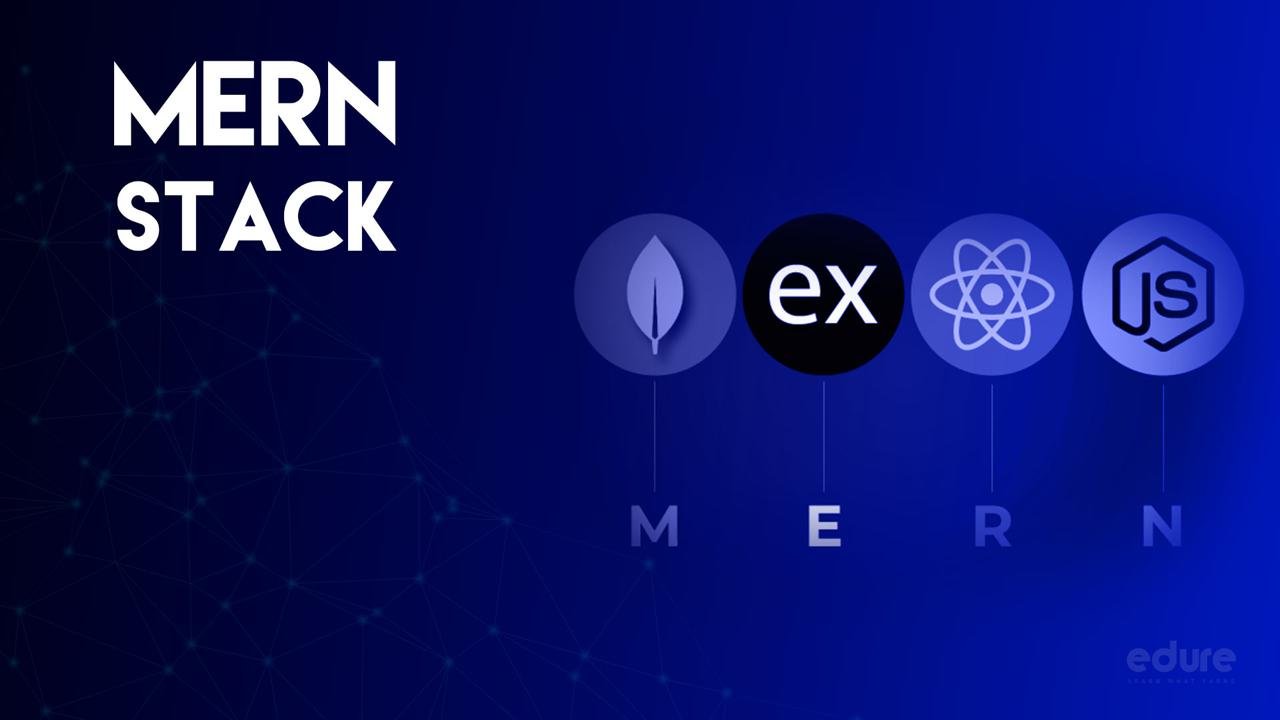
During 2026, demand within the software recruitment sector leans heavily toward rapid delivery, flexibility, followed closely by mastery across all layers of development. Because organizations push forward with digital expansion, preference grows for coders capable of handling client-side along with server-side systems without delay. From Kerala, learning centers like Edure Learning adjust slowly – emphasizing real-world assignments instead of theory, guided coaching alongside updated tools matching current workplace needs.
Now prominent in hiring circles, the MERN stack – MongoDB, Express.js, React, and Node.js – meets a growing need across sectors. Instead of broad teams, companies prefer individuals equipped to manage various stages of app creation.
The Rise Of Full Stack Development
Recently, businesses began moving faster toward digital upgrades – especially in online retail, financial tech, health systems, shipping networks, and learning platforms. Smaller ventures along with medium enterprises face growing demands: application growth must keep pace, yet release timelines shorten even as budget limits tighten.
Among these conditions, value attaches to those capable of engaging each part of a program’s creation. Not limited by division between interface or server work, individuals fluent in end-to-end processes become preferred choices inside teams. Instead of assembling distinct experts for client-side and server tasks, organizations often select one person familiar with how digital products evolve from concept to function.
Employers Prioritize MERN Skills
Now, in 2026, academic records alone do not determine a candidate’s suitability. Instead, what matters grows from hands-on work, tangible results shown through portfolios, because problem-solving in actual business settings carries more weight. Despite past trends, recruiters place trust not in degrees but in proven skills applied under pressure. What stands out emerges not from classrooms, rather from projects that mirror workplace demands. Evidence of impact outweighs certificates when choices are made.
Among today’s job requirements, knowledge of responsive design appears alongside API work, cloud systems, data management, and basic UX principles. Because the MERN toolkit enables fast creation and growth-ready software, it lines up well with such demands.
Change moves fast in tech, yet firms show clear preference for coders who adjust easily to AI-driven processes. While tooling shifts constantly, those working within JavaScript frameworks frequently gain exposure to current coding setups.
Recruiters Still Face Skills Shortage
Even with growing demand, hiring managers observe mismatches between academic training and job requirements. Although theory is often strong, practical skills remain underdeveloped among new graduates. Exposure to teamwork in code creation tends to be minimal during studies.
Now emerging is a shift toward learning by doing, moving beyond traditional lectures. Where real-world projects form the core, attendance grows among those aiming at skilled work. Focus turns practical when theory links to tangible outcomes.
Among Kerala’s expanding tech education offerings, courses like the MERN Stack Developer program draw interest – not only from engineers but also commerce graduates and others without technical training. Instead of broad degrees, many now lean toward focused paths where core programming meets real-world application.
Just as the tech scene grows, so does interest in MERN stack training across Kochi. With startups multiplying, fresh developers now find more openings than before. A shift toward digital solutions here has quietly reshaped career paths for beginners.
Learning by Doing
Early involvement matters most to tech firms now. Because of this shift, hands-on experience through live projects, shared code repositories, internship roles, or team-based coding settings gains more weight. What once seemed optional is now part of standard expectation. Exposure to actual workflows shapes readiness in ways classrooms alone cannot.
With growing demand, places such as Edure Learning now include real-world tasks, guided support, because skills matter more than credentials. Focus moves slowly away from earning certificates toward building actual competence since outcomes shape progress.
A Career Built Through Constant Shifts
As of 2026, need for MERN stack developers mirrors shifts seen throughout digital sectors. Rather than isolated expertise, companies favor individuals capable of blending broad technical knowledge with real-world application abilities.
With technology always shifting, those who adapt easily, gain real-world practice, and respond to market demands may find greater opportunities in software development. Because of this shift, learners and newcomers must move beyond textbooks and static programs in their training.
Skill adaptation over time now appears essential rather than optional. Within this shift, broad coding abilities across frontend and backend systems slowly lose rarity. What once felt specialised now blends into standard expectations across many roles.











Leave a comment