

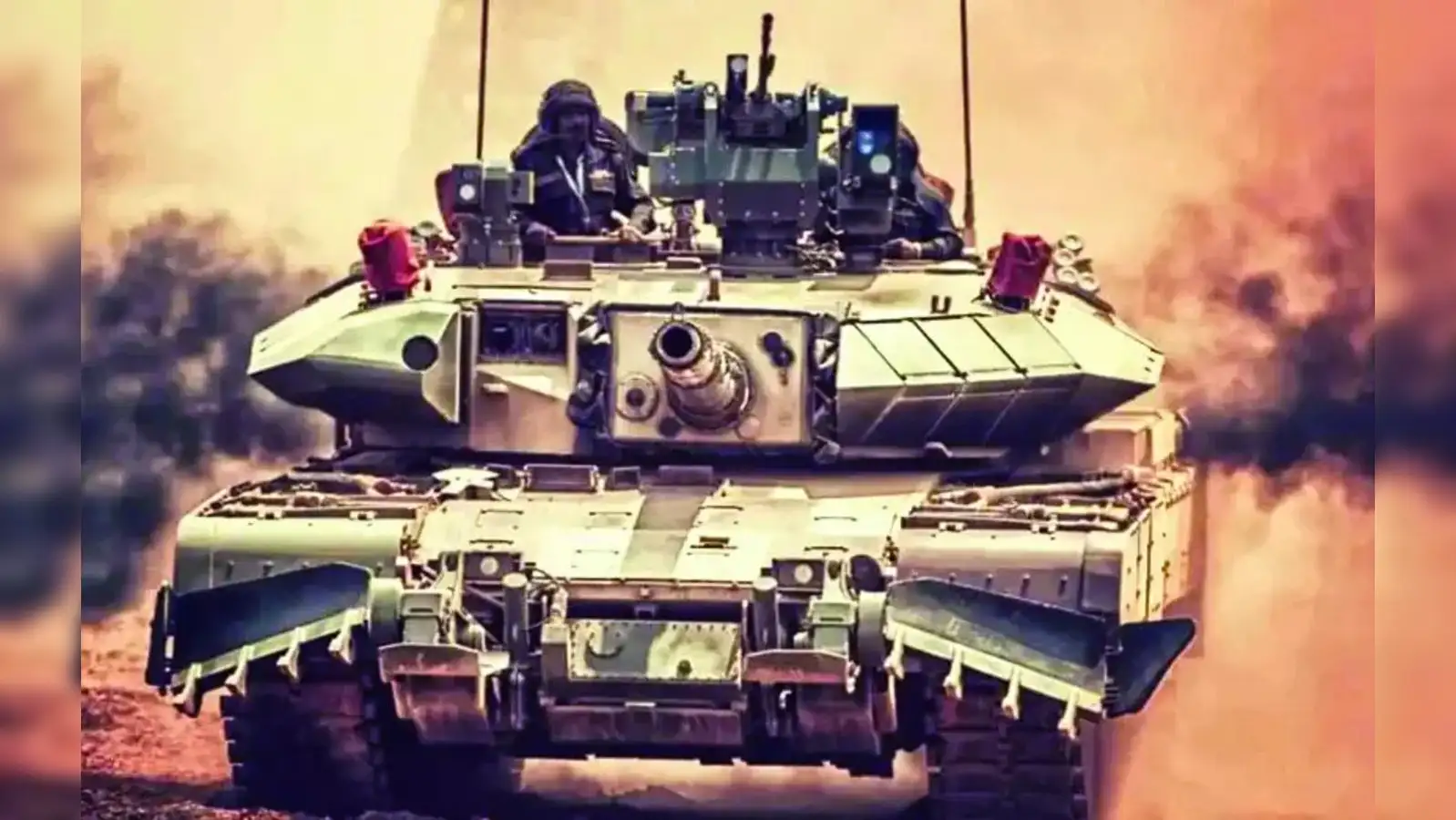
Why some sectors like defence manufacturing may stay out of traditional VC cycles is the main keyword shaping investor conversations in India. The topic is time sensitive, so the tone follows a news reporting style supported by verified policy signals and sector behaviour. Senior officials and industry leaders say certain sectors have structural characteristics that make them incompatible with typical venture capital expectations, even as India pushes for deeper private sector participation.
While VC funding remains strong in technology, consumer services and SaaS, sectors such as defence manufacturing, core industrials and specialised infrastructure often do not align with the speed, returns and scale assumptions of venture investors. These industries operate on long timelines, require heavy capital investment and depend on slow moving procurement cycles. As a result, they attract strategic investors, government backed funds and long term capital rather than mainstream VCs.
Why defence manufacturing does not fit standard VC risk-return models
Secondary keywords: VC suitability, long cycle sectors
Defence manufacturing involves large upfront investments, long gestation periods and infrequent revenue realisation. This contradicts the rapid-growth philosophy of traditional VC investing. Venture capital is designed for sectors that can scale quickly, iterate fast and generate significant returns within a predictable time frame. Defence manufacturing, on the other hand, operates on timelines that can stretch across several years before a company secures sizable orders.
Top officials note that procurement cycles include stringent trials, extensive compliance checks and multi level approvals. These delays reduce the internal rate of return that VCs typically expect. Even after product validation, the number of buyers is limited, with the government being the primary customer. This makes revenue concentration risk too high for VCs looking to diversify.
Heavy capital requirements push companies toward alternative funding routes
Secondary keywords: capital intensity, strategic funding
Defence manufacturing requires specialised equipment, skilled labour, testing facilities and compliance driven production environments. These needs create significant capital intensity that traditional early stage funding structures cannot support. Venture capital thrives where marginal cost of scaling is low. In defence manufacturing, every incremental expansion requires substantial investment, often without immediate revenue visibility.
Because of this, companies depend more on long term debt, government grants, strategic investors and corporate partnerships. Public sector involvement helps reduce project risk and validates technology readiness. In contrast, VCs prefer avoiding heavy capital flows into businesses that cannot deliver exponential returns.
Long validation cycles and regulatory layers slow down commercialisation
Secondary keywords: compliance burden, regulatory scrutiny
Defence systems require comprehensive testing to ensure reliability under diverse operating conditions. This includes laboratory checks, field trials, performance assessments and integration testing. These processes stretch across multiple months or years. Startups cannot compress these cycles, even if they have adequate capital.
Regulatory scrutiny further slows down commercialisation. Approvals related to export licenses, security clearances and equipment classification create barriers that traditional VC backed companies are not structured to navigate. Officials highlight that technologies touching national security are subject to deeper oversight, limiting the speed with which companies can operate. VCs often prefer sectors with minimal regulatory drag and faster go-to-market paths.
Smaller market size and predictable demand limit explosive scaling
Secondary keywords: defence market structure, limited customer base
Unlike consumer or enterprise software, defence manufacturing does not enjoy large open markets. The primary buyer is the government, supported by defence PSUs and specific international partners. Even when demand is strong, procurement is tied to budget cycles and geopolitical needs rather than market driven consumption.
This makes exponential scaling difficult. Traditional VC models depend on the assumption that once a product proves successful, demand can rise rapidly. Defence manufacturing cannot deliver that kind of volume acceleration. Growth is deliberate and controlled. Officials note that even when startups build strong technology, large orders arrive in phased quantities, limiting revenue velocity.
Why patient capital and strategic investors are better suited for the sector
Secondary keywords: long term capital, strategic partnerships
Patient capital investors, defence focused funds and corporate strategic investors provide capital aligned with the sector’s operational realities. They prioritise technological depth, mission critical reliability and long term capability creation over fast returns. Government backed schemes also provide financial support for prototyping, testing and early stage deployment.
Strategic investors from aerospace, manufacturing and engineering sectors participate not only with capital but with supply chain support, market access and engineering expertise. These partnerships help reduce development costs and provide credibility during procurement evaluations. VC structures, however, rarely provide such ecosystem support.
Implications for startups innovating in defence and core manufacturing
Secondary keywords: startup pathways, sector readiness
Startups focusing on defence technology must calibrate expectations. They are more likely to succeed with hybrid funding models that combine grants, strategic partnerships, long term debt and milestone based capital. The goal is to build validated technology and secure early pilot orders that prove operational capability. Once credibility is established, larger contracts may follow, but the process remains gradual.
This does not mean innovation is slow. Many defence tech startups are building advanced systems in drones, sensors, AI powered surveillance and battlefield automation. These segments see growing adoption, but even then, funding patterns differ from traditional VC cycles.
Takeaways
Defence manufacturing has long cycles and few buyers, making it incompatible with typical VC models
High capital requirements and complex regulations push firms toward strategic funding
Slow procurement and limited market size restrict rapid scaling potential
Patient capital, government support and corporate partnerships are better suited for the sector
FAQ
Why do VCs avoid defence manufacturing?
The sector involves long development cycles, heavy capital needs and controlled markets, which conflict with VC expectations of rapid scaling and fast returns.
Can defence startups still raise capital?
Yes, but mainly through strategic investors, government programs and long term funding sources rather than traditional VC.
What slows down scaling in defence manufacturing?
Procurement delays, regulatory layers and limited customer bases restrict fast growth.
Are there exceptions within defence tech that VCs might consider?
Segments like drones, software led defence systems and AI surveillance tools may attract VC interest if they have dual use consumer or enterprise applications.












Leave a comment