

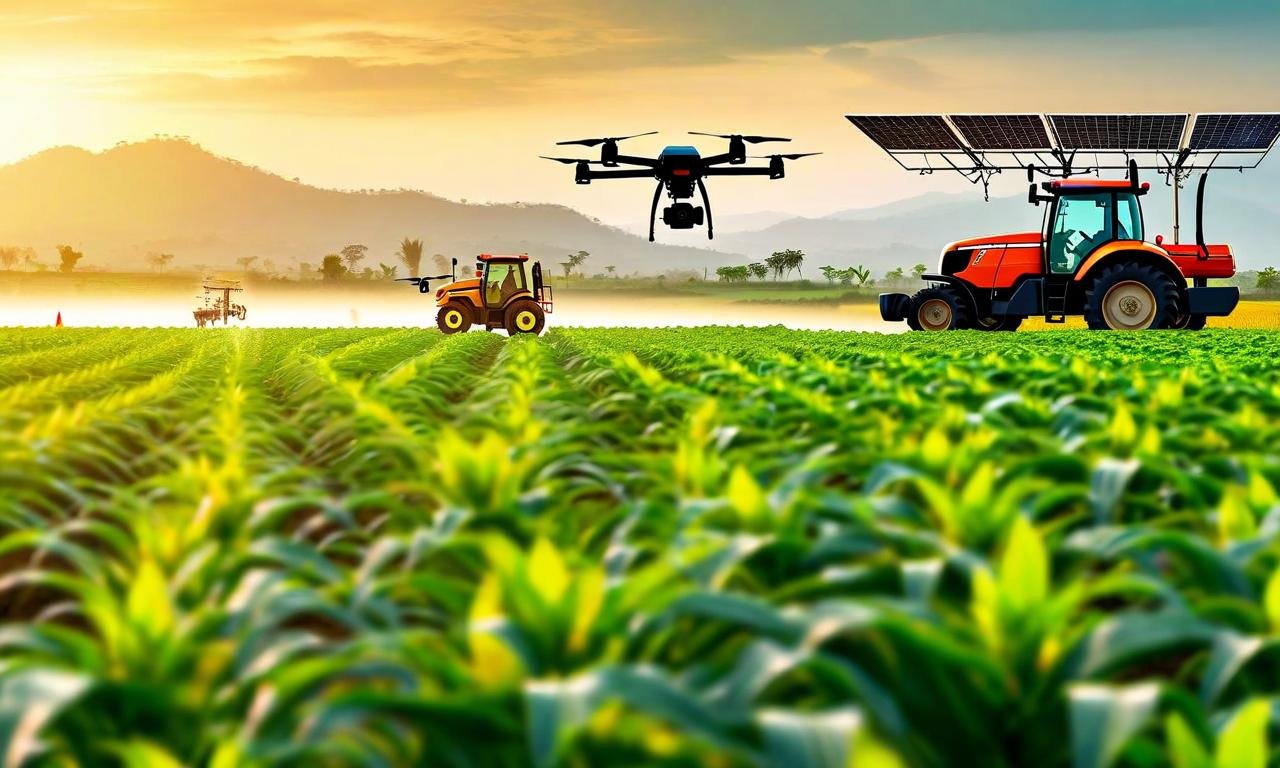
Agritech platforms in India are raising fresh capital in 2026 to expand into Tier-3 farmer networks. The funding reflects growing investor confidence in rural digitization, supply chain efficiency, and data-driven agriculture models that are reshaping how farmers access markets, inputs, and credit.
Agritech Funding Trends Focused on Rural Expansion
Agritech funding India has seen renewed momentum, with startups securing both equity and debt capital to scale operations in non-metro regions. Investors are prioritizing platforms that solve real inefficiencies in the agricultural value chain, including procurement, logistics, and price discovery.
Unlike earlier funding cycles that focused on rapid user acquisition, current investments are directed toward improving unit economics and building sustainable business models. Startups are using fresh capital to strengthen on-ground networks, invest in technology infrastructure, and expand into underserved districts.
Tier-3 markets are central to this strategy because they represent a large but fragmented farmer base with limited access to formal supply chains and financial services. This creates an opportunity for agritech platforms to build long-term value.
Tier-3 Farmer Networks Driving Growth Strategy
Tier-3 farmer networks India are becoming the primary growth engine for agritech startups. These networks consist of small and marginal farmers who often rely on traditional intermediaries for selling produce and purchasing inputs.
Agritech platforms are digitizing these interactions by offering mobile-based solutions that connect farmers directly with buyers, input suppliers, and financial institutions. This reduces dependency on middlemen and improves price realization for farmers.
Startups are also building local partnerships through field agents and farmer producer organizations to increase adoption. This hybrid approach, combining digital tools with physical presence, is critical in regions where digital literacy varies.
The focus on Tier-3 markets is not just about scale but also about creating defensible networks that can generate consistent transaction volumes over time.
Business Models Evolving Beyond Marketplaces
Agritech business models India are evolving beyond simple marketplace solutions. While connecting farmers to buyers remains a core offering, platforms are increasingly integrating additional services to improve monetization.
These include input financing, crop advisory, insurance distribution, and logistics support. By offering a full-stack solution, agritech companies can capture multiple revenue streams while addressing key pain points for farmers.
Data is becoming a critical asset in this ecosystem. Platforms are using data from transactions, weather patterns, and crop cycles to provide insights that help farmers make better decisions. This also enables lenders and insurers to assess risk more accurately.
The shift toward integrated services is helping agritech startups improve margins and attract long-term investor interest.
Role of Fintech Integration in Agritech Growth
Agritech fintech integration is playing a significant role in expanding access to credit in rural areas. Many farmers lack formal credit histories, making it difficult to secure loans from traditional banks.
Agritech platforms are addressing this gap by using transaction data and alternative credit scoring models. This allows them to partner with NBFCs and banks to offer credit products tailored to farmers’ needs.
Input financing is one of the fastest-growing segments, enabling farmers to purchase seeds, fertilizers, and equipment without upfront cash. Repayment is often linked to harvest cycles, aligning with farmers’ income patterns.
This integration of financial services not only enhances farmer loyalty but also creates additional revenue streams for agritech companies.
Challenges and Outlook for Agritech Funding in 2026
Despite strong funding interest, agritech startups face several challenges. Rural markets are complex, with fragmented supply chains and varying levels of infrastructure. Scaling operations while maintaining service quality can be difficult.
Profitability remains a concern, as last-mile delivery and farmer acquisition costs can be high. Startups need to balance growth with cost efficiency to achieve sustainable margins.
Regulatory factors, including policies related to agricultural trade and digital lending, also influence business operations. Companies must navigate these dynamics carefully to ensure compliance.
Looking ahead, the outlook for agritech funding remains positive. Investors are likely to continue backing platforms that demonstrate strong execution, scalable models, and the ability to create value for farmers.
Takeaways
- Agritech startups are raising capital to expand into Tier-3 farmer networks
- Integrated service models are improving monetization and investor confidence
- Fintech partnerships are enabling better access to rural credit
- Operational complexity and profitability remain key challenges
FAQs
Why are agritech platforms focusing on Tier-3 farmers?
Tier-3 regions have a large underserved farmer base with significant potential for digital and financial inclusion.
What services do agritech platforms offer beyond marketplaces?
They provide input financing, crop advisory, logistics, and insurance, creating a full-stack ecosystem for farmers.
How does fintech integration benefit farmers?
It enables access to credit through alternative data, helping farmers finance inputs and manage cash flows.
Is agritech funding expected to grow further?
Yes, as long as startups demonstrate scalable models and sustainable economics, investor interest is likely to continue.












Leave a comment