

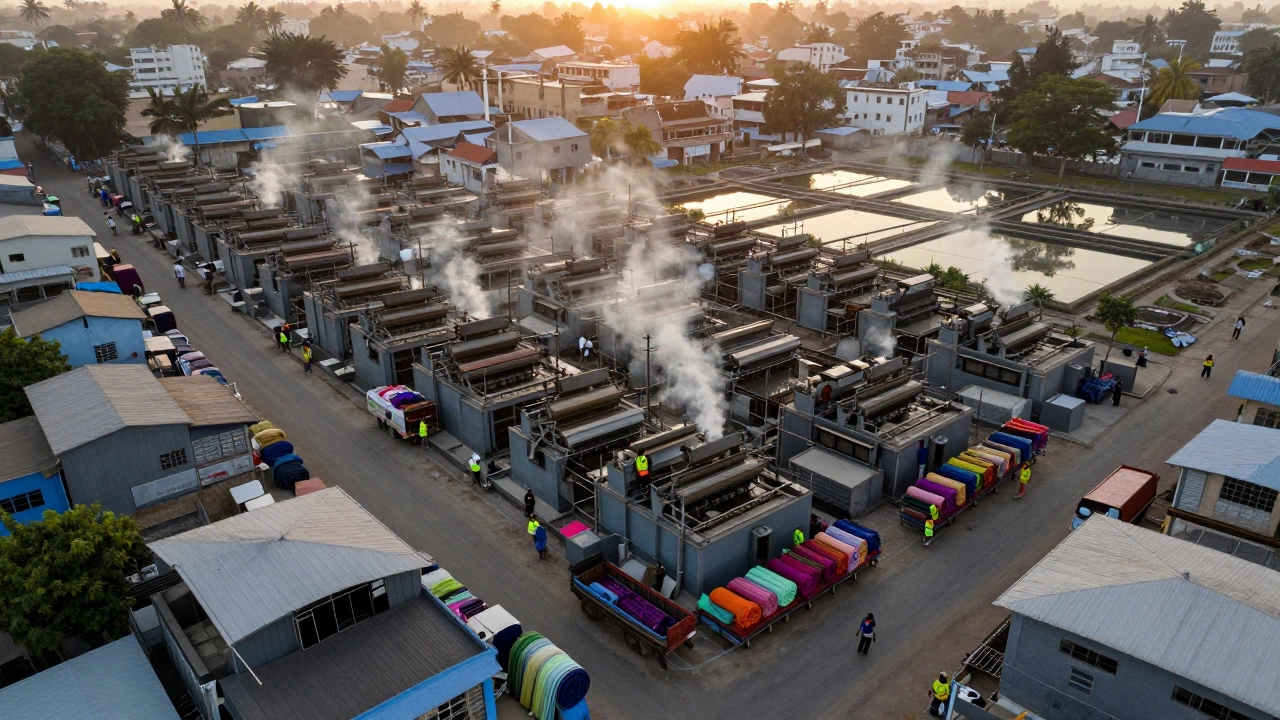
Surat and Coimbatore are transitioning from traditional textile strongholds into emerging startup and technology hubs. Driven by entrepreneurship, digital adoption, and sector diversification, both cities are redefining their economic identity beyond manufacturing into innovation-led growth.
From textile hubs to tech hubs, Surat and Coimbatore’s startup transition story reflects a broader shift in India’s economic landscape. As Tier-2 cities gain prominence, these industrial centres are leveraging their legacy strengths to build modern startup ecosystems.
Industrial Legacy Fuels Entrepreneurial Mindset
Surat and Coimbatore have long been recognised as major textile and manufacturing hubs. Surat dominates in synthetic textiles and diamond processing, while Coimbatore has built a strong base in cotton textiles and engineering industries.
This industrial legacy has created a culture of entrepreneurship. Unlike traditional startup ecosystems that rely heavily on venture capital, many founders in these cities come from business families with operational experience and risk appetite.
This background enables startups to focus on profitability and sustainable growth from the outset. It also reduces dependence on external funding in early stages, allowing businesses to scale organically.
Digital Transformation Accelerates Startup Growth
The shift from textile hubs to tech hubs is being accelerated by digital transformation across industries. Businesses in Surat and Coimbatore are increasingly adopting digital tools for supply chain management, inventory tracking, and customer engagement.
Startups are building solutions tailored to these needs. In Surat, several ventures are digitising textile trading and export processes, making them more efficient and transparent. In Coimbatore, startups are focusing on industrial automation, SaaS platforms, and engineering solutions.
The adoption of cloud computing, AI, and data analytics is enabling traditional industries to modernise operations. This creates opportunities for startups to integrate technology into legacy sectors.
Rise of Sector-Focused Startups in Regional Ecosystems
Surat and Coimbatore are witnessing the emergence of sector-focused startups that align with their industrial strengths. In Surat, startups are innovating in areas such as textile tech, logistics, and fintech solutions for traders.
Coimbatore, with its engineering base, is seeing growth in deeptech, manufacturing tech, and SaaS startups. These companies are building products that cater to both domestic and global markets.
This sectoral focus allows startups to leverage local expertise and existing business networks. It also helps them achieve faster product-market fit compared to startups operating in highly competitive metro ecosystems.
Infrastructure and Talent Support Expansion
Improved infrastructure is playing a crucial role in supporting the startup transition. Both cities have seen investments in co-working spaces, incubators, and startup support programs.
Educational institutions in Coimbatore, in particular, are contributing to talent development in engineering and technology fields. Surat is also witnessing a gradual increase in technical education and skill development initiatives.
However, talent retention remains a challenge. Many skilled professionals still migrate to metro cities for better opportunities. Startups are addressing this by offering competitive work environments and leveraging remote work models.
Funding Landscape Remains Evolving
While the startup ecosystem in Surat and Coimbatore is growing, access to funding is still developing. Most startups rely on bootstrapping, angel investors, or local business networks in the early stages.
Venture capital presence is relatively limited compared to cities like Bengaluru and Mumbai. As a result, startups often need to establish connections with metro-based investors to raise larger funding rounds.
Despite this, investor interest in Tier-2 cities is increasing. Funds are beginning to recognise the potential of businesses built on strong fundamentals and real market demand.
Challenges in Scaling Beyond Regional Markets
The transition from textile hubs to tech hubs is not without challenges. Scaling beyond regional markets remains a key hurdle for startups in these cities.
Differences in customer behaviour, distribution networks, and market dynamics can make national expansion complex. Additionally, limited exposure to global markets can restrict growth opportunities.
Startups also face challenges in building brand visibility and accessing mentorship networks. These factors can slow down scaling compared to metro-based counterparts.
Future Outlook for Surat and Coimbatore Startup Ecosystems
Surat and Coimbatore’s startup transition story is still unfolding, but the direction is clear. Both cities are gradually building ecosystems that combine traditional industry strengths with modern technology capabilities.
As digital adoption continues and infrastructure improves, these cities are expected to attract more startups, investors, and talent. Government support and private sector initiatives will play a key role in accelerating this growth.
In the long term, Surat and Coimbatore could serve as models for how industrial cities can evolve into innovation hubs. Their journey highlights the importance of leveraging local strengths while embracing new technologies.
Takeaways
Surat and Coimbatore are transitioning from textile hubs to emerging tech ecosystems
Industrial legacy and entrepreneurial culture are driving startup growth
Sector-focused startups are leveraging local strengths for innovation
Funding access and scaling challenges remain key hurdles for expansion
FAQs
Why are Surat and Coimbatore becoming startup hubs?
Their strong industrial base, entrepreneurial culture, and increasing digital adoption are key factors.
Which sectors are growing in these cities?
Textile tech, SaaS, manufacturing tech, logistics, and fintech are प्रमुख sectors.
Do startups in these cities receive enough funding?
Early-stage funding is available, but access to large venture capital remains limited.
Can these cities compete with metro startup hubs?
They can complement metro ecosystems by focusing on niche sectors and sustainable growth.











Leave a comment