

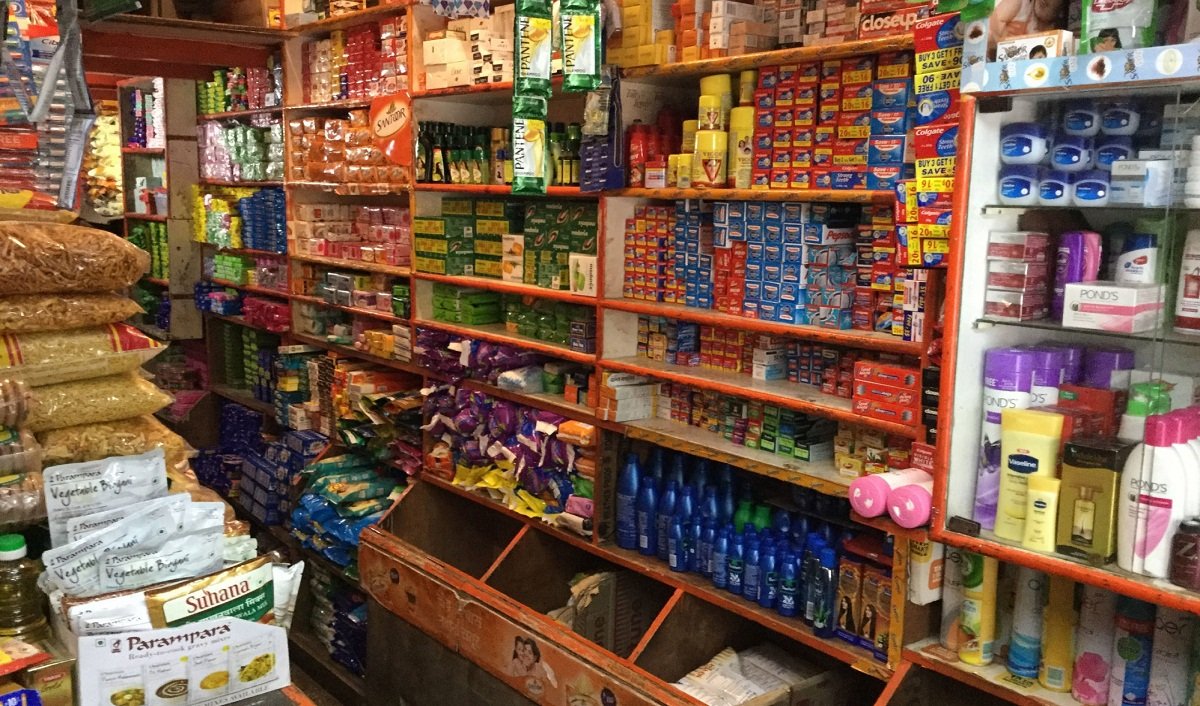
The silent growth of rural e-commerce in India is changing how consumers shop and how local kirana stores operate. With increasing smartphone access and logistics reach, platforms like Amazon and Flipkart are influencing buying patterns in non-metro regions.
Main Article
The silent growth of rural e-commerce is gradually transforming India’s retail landscape, especially in Tier-3 towns and villages. Unlike the rapid and visible rise of online shopping in metro cities, this shift is slower but deeply impactful. It is changing how consumers access products and how traditional kirana stores compete and adapt.
This is an evergreen trend driven by long-term structural changes. Increasing internet penetration, affordable smartphones, and improved digital payment systems have enabled rural consumers to participate in e-commerce ecosystems.
Rising Internet Penetration and Digital Access in Rural India
A key driver behind rural e-commerce growth is the expansion of digital infrastructure. Affordable data plans and widespread smartphone usage have brought millions of rural consumers online.
Government initiatives promoting digital literacy and financial inclusion have also contributed to this shift. Consumers who previously depended solely on physical stores are now exploring online platforms for a wider range of products.
For many rural buyers, e-commerce offers access to goods that are not available locally. Categories such as electronics, fashion, and home essentials are seeing increased demand.
This growing digital familiarity is building trust in online transactions, which is essential for sustained adoption.
How E-commerce Platforms Are Expanding Beyond Metros
Major platforms like Amazon and Flipkart have actively expanded their reach into rural and semi-urban areas. They are investing in logistics networks, local delivery partners, and regional language interfaces to attract new users.
Cash on delivery, easy returns, and localized customer support have helped reduce barriers to entry. These features are particularly important in rural markets where digital trust is still evolving.
E-commerce companies are also aligning their product offerings with rural demand by focusing on affordable price points and value-driven products.
This expansion strategy is gradually integrating rural consumers into the broader digital economy.
Impact on Local Kirana Stores and Retail Dynamics
The growth of rural e-commerce is creating both challenges and opportunities for kirana stores. Traditionally, these stores have been the backbone of rural retail, offering convenience and credit-based purchasing.
However, increased online access is introducing competition in categories where kiranas have limited variety or higher pricing. Consumers now have the option to compare prices and explore alternatives.
At the same time, kirana stores continue to hold strong advantages. Immediate availability, personal relationships, and informal credit systems make them indispensable in many communities.
Rather than complete displacement, what is emerging is a shift in consumer behavior where both online and offline channels coexist.
Hybrid Models and Kirana Store Adaptation
Many kirana stores are adapting to the changing environment by integrating digital tools into their operations. Some are partnering with e-commerce platforms to act as local delivery points or inventory partners.
Others are using messaging apps and digital payment systems to take orders and offer home delivery within their local areas. This allows them to compete with the convenience offered by online platforms.
There is also a rise in B2B e-commerce platforms that supply kirana stores directly, helping them access better pricing and a wider product range.
These hybrid models are enabling kirana stores to remain relevant while benefiting from the digital ecosystem.
Logistics and Last-Mile Delivery as Key Enablers
The success of rural e-commerce depends heavily on logistics and last-mile delivery. Companies are investing in local distribution centers and delivery networks to ensure timely service.
In many areas, local entrepreneurs and small logistics providers are becoming part of this ecosystem. This creates employment opportunities while improving service reach.
Delivery timelines in rural regions are still longer compared to metros, but gradual improvements are increasing reliability. As logistics networks strengthen, rural e-commerce adoption is expected to accelerate further.
Future Outlook for Rural Retail in India
The silent growth of rural e-commerce is likely to continue as digital access improves and consumer confidence increases. However, kirana stores are not disappearing. Instead, they are evolving alongside this change.
The future of rural retail in India will likely be a blended model where online platforms and local stores complement each other. Consumers will choose channels based on convenience, price, and urgency.
For businesses, understanding this balance will be critical. Success will depend on how well companies integrate digital reach with local presence.
Takeaways
- Rural e-commerce is growing steadily due to increased digital access
- Platforms are expanding through localized strategies and logistics investments
- Kirana stores face competition but remain essential in rural markets
- Hybrid retail models are emerging as a sustainable solution
FAQs
Q1: Why is rural e-commerce growing in India?
Improved internet access, affordable smartphones, and digital payment adoption are key factors.
Q2: Are kirana stores losing customers to e-commerce?
They face competition in some categories but continue to serve as primary retail points due to convenience and trust.
Q3: How are kirana stores adapting to this change?
Many are adopting digital payments, offering home delivery, and partnering with e-commerce platforms.
Q4: What role does logistics play in rural e-commerce?
Efficient last-mile delivery is essential for reaching rural customers and ensuring reliable service.











Leave a comment