

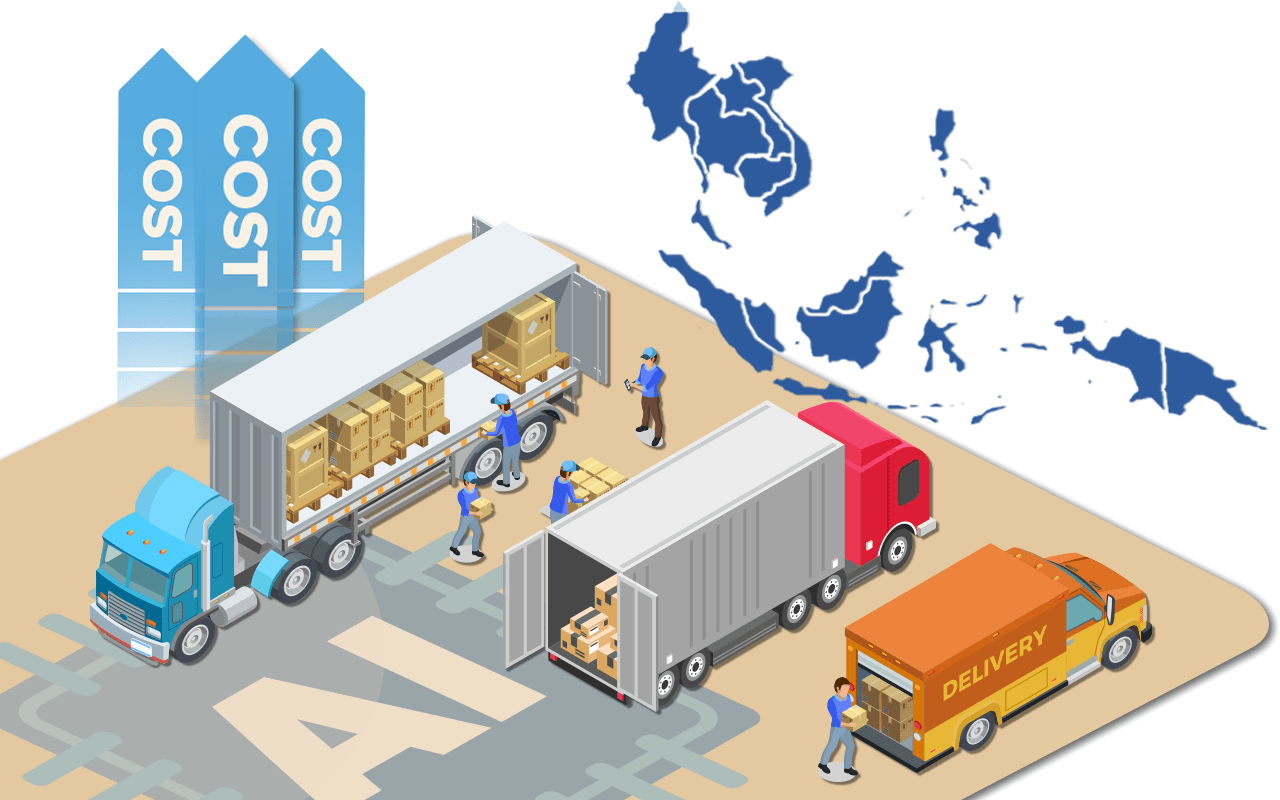
Rising logistics costs in India are pushing small businesses to rethink pricing, sourcing, and distribution. Increasing fuel prices, supply chain inefficiencies, and delivery expenses are directly impacting margins, forcing businesses to pass on costs or redesign their pricing strategies.
Main Article
Rising logistics costs are reshaping pricing strategies for small businesses across India, especially in Tier-2 and Tier-3 markets where margins are already tight. From transportation to warehousing, every stage of the supply chain has become more expensive, forcing business owners to rethink how they price products and manage costs.
This is an ongoing structural shift rather than a short-term disruption. Factors such as fuel price volatility, higher freight charges, and growing demand for faster deliveries have made logistics a central cost component for small enterprises.
Impact of Fuel Prices and Transportation Costs
Transportation remains one of the largest contributors to rising logistics costs. Fluctuations in fuel prices directly increase the cost of moving goods between cities and within local markets.
For small businesses, this creates immediate pressure on profit margins. Unlike large corporations, they often lack the scale to negotiate better freight rates or absorb sudden cost increases.
As a result, many businesses are adjusting product pricing more frequently than before. Some are also reducing shipment sizes or increasing minimum order values to offset transportation expenses.
This shift is particularly visible in sectors such as FMCG distribution, retail supply chains, and small-scale manufacturing.
Changes in Pricing Strategies for Small Businesses
Small businesses are adopting more dynamic pricing strategies to cope with rising logistics costs. Instead of fixed pricing, many are introducing flexible pricing models that reflect changes in input and delivery costs.
In some cases, businesses are separating product prices from delivery charges. This allows them to remain competitive on product pricing while transparently passing on logistics costs to customers.
Others are bundling products or offering bulk discounts to improve order value and reduce per-unit delivery expenses. This approach helps maintain margins while still offering perceived value to customers.
What this really means is that pricing is no longer just about production cost. Logistics has become a key factor in determining final product pricing.
Shift Toward Local Sourcing and Inventory Optimization
To reduce dependency on long-distance transportation, many small businesses are shifting toward local sourcing. Procuring raw materials or finished goods from nearby suppliers helps cut down logistics expenses and delivery time.
Inventory management is also becoming more strategic. Businesses are maintaining optimized stock levels to avoid frequent restocking, which can increase transportation costs.
Some are investing in small warehouses or shared storage spaces closer to their target markets. This reduces last-mile delivery costs and improves operational efficiency.
These changes indicate a broader move toward localized supply chains, especially in non-metro regions.
Role of E-commerce and Delivery Expectations
The growth of e-commerce has added another layer of complexity to logistics costs. Customers now expect faster deliveries, often at low or no additional cost.
For small businesses selling online, this creates a challenge. They must balance customer expectations with the reality of rising logistics expenses.
Platforms like Amazon and Flipkart offer logistics support, but associated fees and commissions can impact margins.
To manage this, some businesses are limiting delivery areas, increasing delivery timelines, or offering paid express delivery options. These adjustments help control costs without losing customers entirely.
Collaboration and Aggregation as Cost Solutions
Another emerging trend is collaboration among small businesses to share logistics resources. Group shipping, shared warehousing, and collective bargaining with transport providers are helping reduce costs.
Logistics aggregators and third-party providers are also offering solutions tailored for small enterprises. These services provide access to better rates and more efficient delivery networks.
By leveraging shared infrastructure, small businesses can achieve cost efficiencies that were previously only available to larger companies.
This collaborative approach is gaining traction in both urban and semi-urban markets.
Long-Term Implications for Small Business Growth
Rising logistics costs are likely to remain a defining factor in how small businesses operate. Those that adapt quickly by optimizing supply chains and revising pricing strategies will be better positioned to sustain growth.
At the same time, businesses that fail to adjust may struggle with shrinking margins and reduced competitiveness.
The broader impact is a shift toward more efficient, data-driven decision-making. Pricing, sourcing, and distribution are becoming interconnected rather than independent functions.
This evolution is shaping a more resilient but also more competitive small business ecosystem in India.
Takeaways
- Rising logistics costs are directly impacting small business pricing strategies
- Fuel prices and transportation expenses are key cost drivers
- Businesses are adopting dynamic pricing and local sourcing models
- Collaboration and logistics aggregation are emerging as cost-saving solutions
FAQs
Q1: Why are logistics costs increasing for small businesses?
Fuel price fluctuations, higher transportation charges, and increased demand for faster delivery are major factors.
Q2: How are small businesses adjusting their pricing?
They are using dynamic pricing, adding delivery charges, and offering bulk discounts to manage costs.
Q3: What role does local sourcing play?
Local sourcing reduces transportation distance, lowering logistics expenses and improving efficiency.
Q4: Can small businesses compete despite rising costs?
Yes, by optimizing supply chains, collaborating with others, and adapting pricing strategies effectively.












Leave a comment