

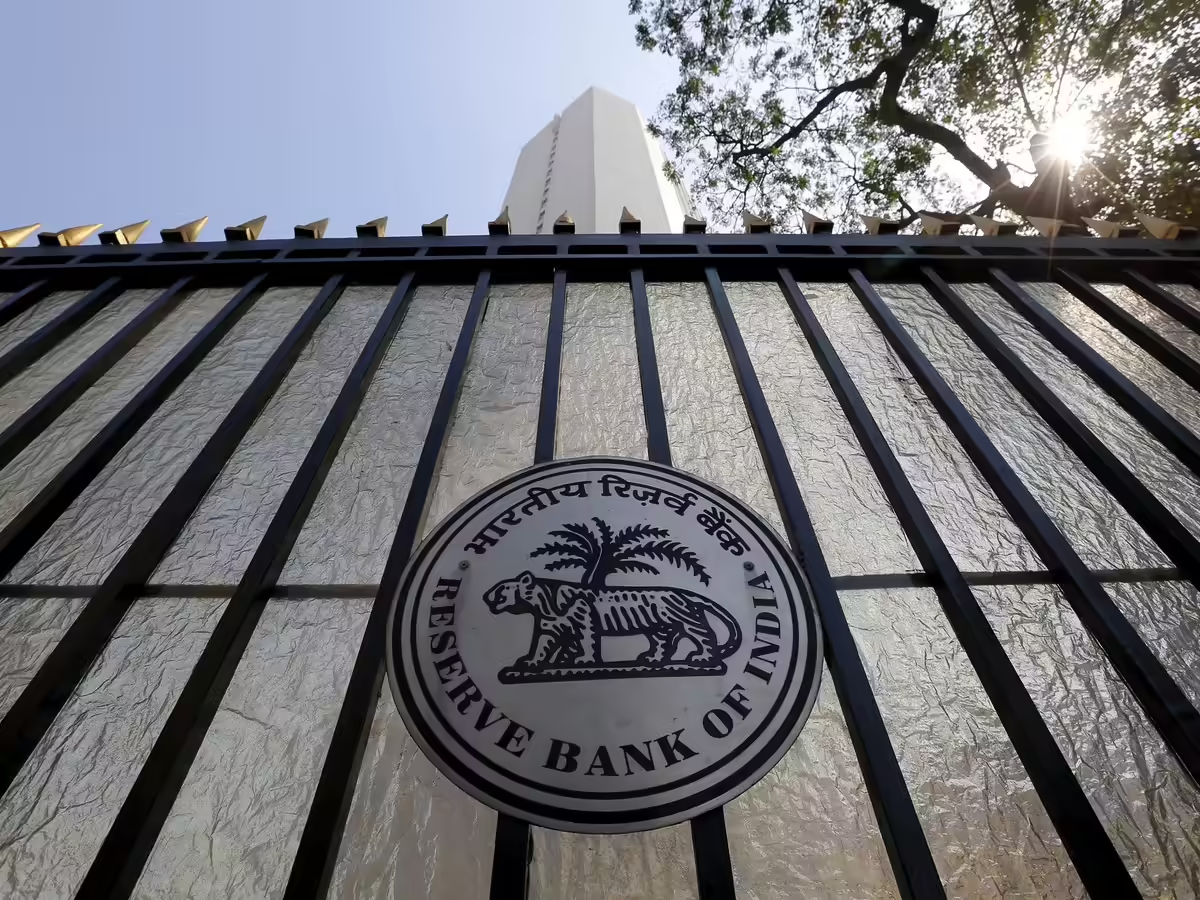
The Reserve Bank of India has proposed stricter norms to curb mis selling in bank advertising, a move that could reshape how loans and financial products are marketed to small and medium enterprises. The draft aims to improve transparency, disclosures and accountability.
RBI’s proposed rules to curb mis selling in bank advertising mark a significant regulatory step toward protecting borrowers, especially SME borrowers who often rely on promotional material to make financing decisions. The draft framework seeks to tighten oversight on how banks and regulated entities design, approve and distribute advertisements related to loans, deposits, credit cards and other financial products. The central objective is clear communication of terms, risks and costs so that customers are not misled by exaggerated claims or incomplete disclosures.
Stronger Disclosure Norms in Bank Advertising Guidelines
Under the proposed bank advertising guidelines, lenders would be required to ensure that promotional content is clear, fair and not misleading. Key loan terms such as interest rates, processing fees, penalties and eligibility criteria must be presented transparently. Advertisements that highlight low interest rates would also need to clarify whether rates are introductory, floating or subject to conditions.
For SME borrowers, this shift is critical. Many small business owners in Tier 2 and Tier 3 cities depend on digital ads, SMS campaigns and local branch promotions to evaluate working capital loans or term loans. If advertisements omit important details about collateral requirements or reset clauses, businesses may face unexpected repayment burdens. The draft rules aim to reduce such information asymmetry by making disclosures more prominent and standardized.
Accountability of Banks and Third Party Agents
Another key element of the RBI draft is accountability. Banks and non banking financial companies often use third party marketing agents, digital platforms and telecalling agencies to source business loans. The proposed framework clarifies that regulated entities remain responsible for the content disseminated in their name, even if created by outsourced partners.
This has direct implications for SME financing. Mis selling sometimes occurs when agents promise faster approvals or lower effective interest rates than those ultimately applied. With tighter compliance requirements, lenders may need to strengthen internal review systems, train sales staff and monitor digital campaigns more closely. Over time, this could reduce aggressive selling tactics and build greater trust between banks and small enterprises.
Impact on SME Borrowers and Credit Access
For SME borrowers, the immediate impact may be twofold. First, advertisements are likely to become more detailed and less promotional in tone. This could slow down impulse borrowing but improve informed decision making. Clearer communication about total cost of credit, prepayment charges and collateral terms allows business owners to compare offers more effectively.
Second, compliance costs for banks may increase due to stricter review and monitoring mechanisms. In the short term, lenders could pass on part of these costs through marginally higher fees. However, improved transparency can reduce disputes, complaints and reputational risks, which benefits the broader credit ecosystem. Over the medium term, a more transparent system may enhance credit penetration among small businesses that currently hesitate due to mistrust or past negative experiences.
Digital Lending and Marketing Oversight
The draft norms also intersect with the growing digital lending ecosystem. With many SMEs applying for loans through mobile apps and online platforms, advertising now extends beyond traditional print and television to social media, search engines and influencer content. The RBI’s emphasis on responsible communication aligns with its broader efforts to regulate digital lending and ensure consumer protection.
For small manufacturers, traders and service providers operating in non metro regions, digital marketing has become a primary source of financial information. Standardized disclosures in online ads can prevent confusion over teaser rates or bundled products. It also pushes fintech partners to align their messaging with regulatory expectations, reducing the scope for exaggerated turnaround time claims or guaranteed approval statements.
Balancing Consumer Protection and Credit Growth
A common concern whenever tighter advertising rules are introduced is whether they might dampen credit growth. In reality, sustainable credit expansion depends on trust and clarity. SMEs form a significant part of India’s economic base, contributing to employment and regional development. Ensuring that they fully understand borrowing terms strengthens financial stability rather than weakening it.
The RBI’s move reflects a broader regulatory trend that prioritizes conduct risk management. Transparent marketing, standardized disclosures and clear grievance mechanisms reduce the risk of future non performing assets arising from misunderstood loan terms. For banks, compliance is not just a legal requirement but a strategic necessity in an increasingly competitive lending environment.
Takeaways
RBI draft rules aim to ensure clear and fair bank advertising practices
SME borrowers stand to benefit from stronger disclosures and reduced mis selling
Banks remain accountable for content created by third party marketing agents
Improved transparency can strengthen trust and support sustainable credit growth
FAQs
Q1. What is mis selling in bank advertising
Mis selling occurs when financial products are promoted with incomplete, misleading or exaggerated information that leads customers to make uninformed decisions.
Q2. How will the RBI draft rules affect SME borrowers
SME borrowers may receive clearer information about interest rates, fees and loan conditions, helping them compare options and avoid unexpected costs.
Q3. Are banks responsible for third party advertisements
Yes, under the proposed framework, regulated entities remain accountable for advertisements issued in their name, even if created by agents or partners.
Q4. Will stricter advertising norms reduce loan availability
The intent is not to restrict credit but to improve transparency. In the long term, clearer communication can enhance trust and support healthier credit growth.












Leave a comment