

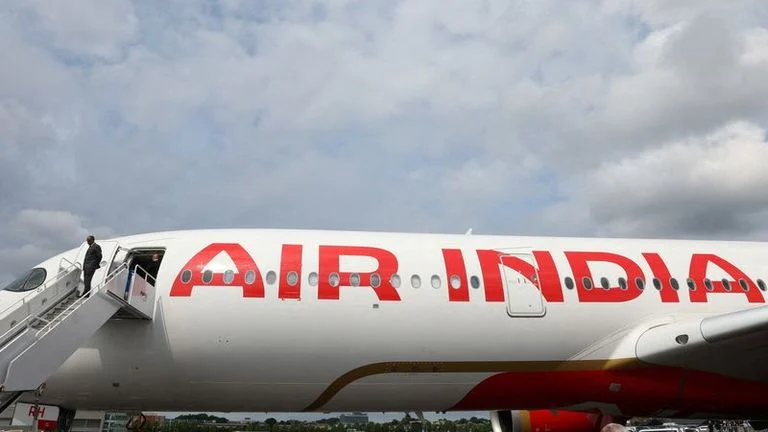
Rising aviation fuel costs are significantly influencing the economics of India’s airline industry. As aviation turbine fuel remains one of the largest operating expenses for airlines, fluctuating prices are forcing carriers to adjust fares, optimize routes and rethink operational strategies.
Rising aviation fuel costs in India are reshaping airline economics as carriers face increasing pressure on operating margins. Aviation turbine fuel remains the single largest cost component for most airlines operating in the country. Fluctuating fuel prices are now influencing ticket pricing, route planning and airline profitability across the domestic aviation sector.
Aviation Turbine Fuel as the Largest Airline Expense
Aviation turbine fuel costs typically account for 30 to 40 percent of an airline’s total operating expenses in India. This makes fuel price movements one of the most important factors influencing airline profitability.
Unlike many other global aviation markets, aviation fuel in India is subject to state level taxes that can vary widely between airports. These taxes increase the effective price airlines pay for fuel compared with global averages.
Airlines purchase fuel at different airports depending on route networks. As a result, the cost structure can vary significantly even within the same airline depending on where aircraft are refueled.
When aviation turbine fuel prices rise, airlines face immediate pressure to manage operational costs without discouraging passenger demand through sharp ticket price increases.
Impact of Fuel Prices on Domestic Airfares
Rising aviation fuel costs often translate into higher domestic airfares, although the relationship is not always direct. Airlines use a combination of strategies to manage fuel cost increases while maintaining competitive pricing.
One common approach is adjusting the fuel surcharge component in ticket pricing. This allows airlines to respond to fuel price changes without restructuring the base fare.
Another strategy involves dynamic pricing systems that adjust fares based on demand, booking timing and seat availability. Airlines attempt to balance higher operating costs with consumer sensitivity to ticket prices.
In India’s highly competitive aviation market, carriers must carefully calibrate fare increases. Excessive price hikes could lead passengers to switch airlines or reduce travel frequency.
Effects on Regional Air Connectivity
Regional air connectivity has expanded rapidly across India in recent years, supported by government initiatives and airline network expansion. However, rising fuel costs can disproportionately affect regional routes.
Flights connecting Tier 2 and Tier 3 cities often operate with smaller aircraft and lower passenger volumes compared with metro routes. This means that operating costs are distributed across fewer seats.
As a result, airlines must carefully evaluate route economics when fuel prices increase. Some routes may require higher ticket prices or operational adjustments to remain viable.
Regional connectivity remains strategically important for airlines because it expands market reach and builds long term passenger demand. However, rising aviation fuel costs require carriers to continuously optimize route networks.
Operational Strategies Airlines Are Using
Airlines in India are adopting several operational strategies to mitigate the impact of higher fuel prices. One approach is improving fuel efficiency through fleet modernization.
New generation aircraft such as the Airbus A320neo and Boeing 737 MAX are designed to consume significantly less fuel than previous models. Many Indian airlines are expanding their fleets with these aircraft to improve cost efficiency.
Route optimization is another key strategy. Airlines analyze flight schedules, passenger demand and airport infrastructure to ensure aircraft utilization remains high.
Some airlines also invest in operational technologies that improve flight planning, reduce taxi time and optimize cruising altitudes. Even small efficiency gains can result in meaningful fuel savings over thousands of flights.
Government Policy and Fuel Tax Structure
India’s aviation fuel pricing is also influenced by government policy and taxation structures. Aviation turbine fuel is currently subject to value added tax imposed by state governments.
The tax rate varies widely across states and can reach relatively high levels in certain regions. This variation means airlines often pay different fuel prices depending on where aircraft are refueled.
Industry associations have frequently advocated for bringing aviation turbine fuel under the Goods and Services Tax framework. A uniform tax structure could reduce cost disparities and improve airline operating economics.
Policy decisions related to fuel taxation therefore play a significant role in shaping the long term financial sustainability of airlines operating in India.
Long Term Implications for the Aviation Sector
The continued volatility of global energy prices means aviation fuel costs will remain a key variable in airline economics. Airlines must constantly adapt their business models to manage these fluctuations.
For passengers, this may lead to periodic adjustments in ticket pricing as airlines respond to cost pressures. However, competition between airlines will likely continue to moderate the impact on consumers.
For the broader aviation industry, improving fuel efficiency and optimizing operations will remain critical priorities. Airlines that successfully manage these factors are more likely to maintain profitability in a competitive market.
As India’s air travel demand continues to grow, balancing affordability with operational sustainability will remain one of the most important challenges facing the aviation sector.
Key Takeaways
• Aviation turbine fuel accounts for roughly 30 to 40 percent of airline operating costs in India
• Rising fuel prices influence ticket pricing, route planning and airline profitability
• Regional routes connecting smaller cities may be more sensitive to fuel cost changes
• Airlines are investing in fuel efficient aircraft and operational improvements to manage costs
FAQ
Why is aviation fuel so expensive in India?
Aviation turbine fuel prices are influenced by global crude oil markets and additional state level taxes that vary across different airports in India.
How do airlines respond to rising fuel prices?
Airlines adjust fuel surcharges, optimize flight routes, improve fuel efficiency and use dynamic pricing strategies to manage cost pressures.
Do higher fuel prices always increase ticket fares?
Not always. Airlines may absorb some costs temporarily or adjust pricing gradually depending on competition and passenger demand.
Can government policy reduce aviation fuel costs?
Yes. Policy changes such as bringing aviation turbine fuel under the Goods and Services Tax system could reduce tax disparities and lower operating costs.












Leave a comment